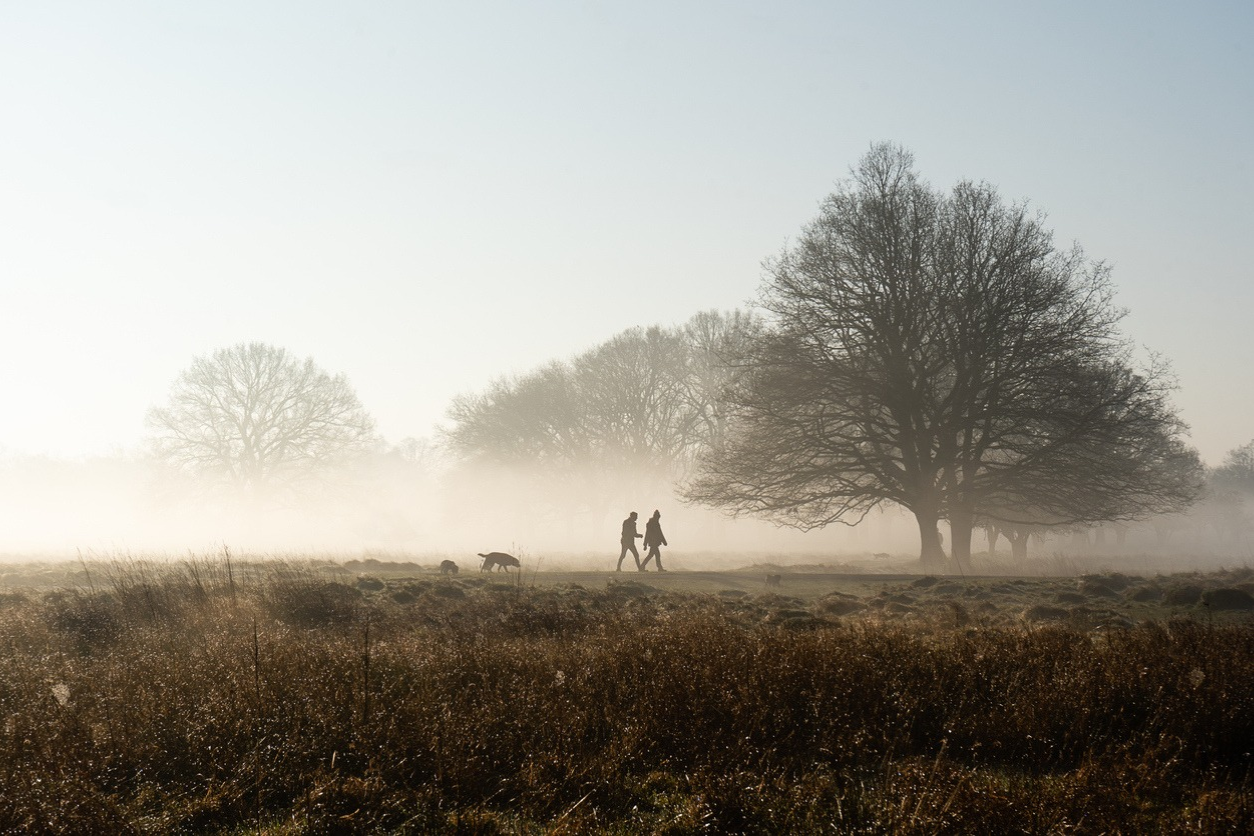
As the clocks go back and the evenings draw in, many of us notice a change in how we feel. Shorter days, colder weather and a shift in routine can make it harder to stay active, sleep well and keep your spirits up. Not everyone is affected, but a few simple habits can help. These winter wellness tips cover movement, sleep, nutrition, vitamin D and mental wellbeing, and when to speak to a GP.
Shorter days mean less natural light, and cold, wet weather can make it harder to get outside. Reduced daylight is thought to affect melatonin and serotonin, brain chemicals linked to mood and sleep, which may be why some people feel more tired or flat in winter.
Regular activity lowers your risk of heart disease and stroke, and can improve your mood, sleep and energy. The NHS recommends at least 150 minutes of moderate activity a week, such as brisk walking or cycling, plus strength exercises on two or more days.
Short on time? Our guide to exercise snacking shows how a few minutes here and there add up.
Less daylight can affect your body clock, so a regular routine helps. Most adults need 7 to 9 hours of sleep a night.
If poor sleep carries on despite changing your habits, or it’s affecting your daily life, speak to a GP.
Aim for at least five portions of fruit and vegetables a day, choose wholegrain starchy foods and include some protein. The NHS also recommends 6 to 8 glasses of fluid a day.
Vitamin D helps the body manage calcium and phosphate, which keep bones, teeth and muscles healthy. From around October to early March, UK sunlight isn’t strong enough for your skin to make it, and it’s hard to get enough from food alone. Government advice is that everyone should consider a daily 10 microgram supplement during autumn and winter.
Some people should consider one all year round, including those who rarely go outdoors, live in a care home or usually cover most of their skin outside, and people with dark skin, for example from an African, African-Caribbean or South Asian background. Adults shouldn’t take more than 100 micrograms a day unless a doctor advises it.
Shorter days can leave you feeling lower or less motivated than usual. Small, steady habits help:
For some people, winter low mood is part of seasonal affective disorder (SAD), a type of depression that usually starts in autumn or winter and lifts in spring. It’s usually diagnosed when symptoms come back at the same time of year for two years or more, so a few low days in winter isn’t the same thing. If low mood, loss of interest or feelings of hopelessness are affecting your daily life, speak to a GP. If you need help urgently, call NHS 111 and choose the mental health option, or call Samaritans on 116 123.
Preventative care looks different for everyone, depending on your age, history and risk factors. If you’ve been putting off a check-up or noticed changes you’re unsure about, a clinician can help you decide what’s right for you.
Seasonal vaccines are part of that for some people. The NHS offers a free flu vaccine each autumn to those most at risk, including people aged 65 and over, people with certain long-term health conditions and pregnant women. Others can usually pay for one privately.
If something is on your mind, a GP consultation gives you time to talk it through, face to face or by video. For a fuller review, our health checks combine a GP consultation with comprehensive blood tests and a written report. Our vaccination service offers the flu vaccine alongside others such as shingles and pneumococcal.
Winter doesn’t have to mean putting your health on hold. Get outside when you can, keep moving, protect your sleep and stay connected. Small habits will carry you through to spring, and support is there if you need it.
Looking to prioritise your health this winter? Explore our health checks and GP consultations for personalised advice and support.
