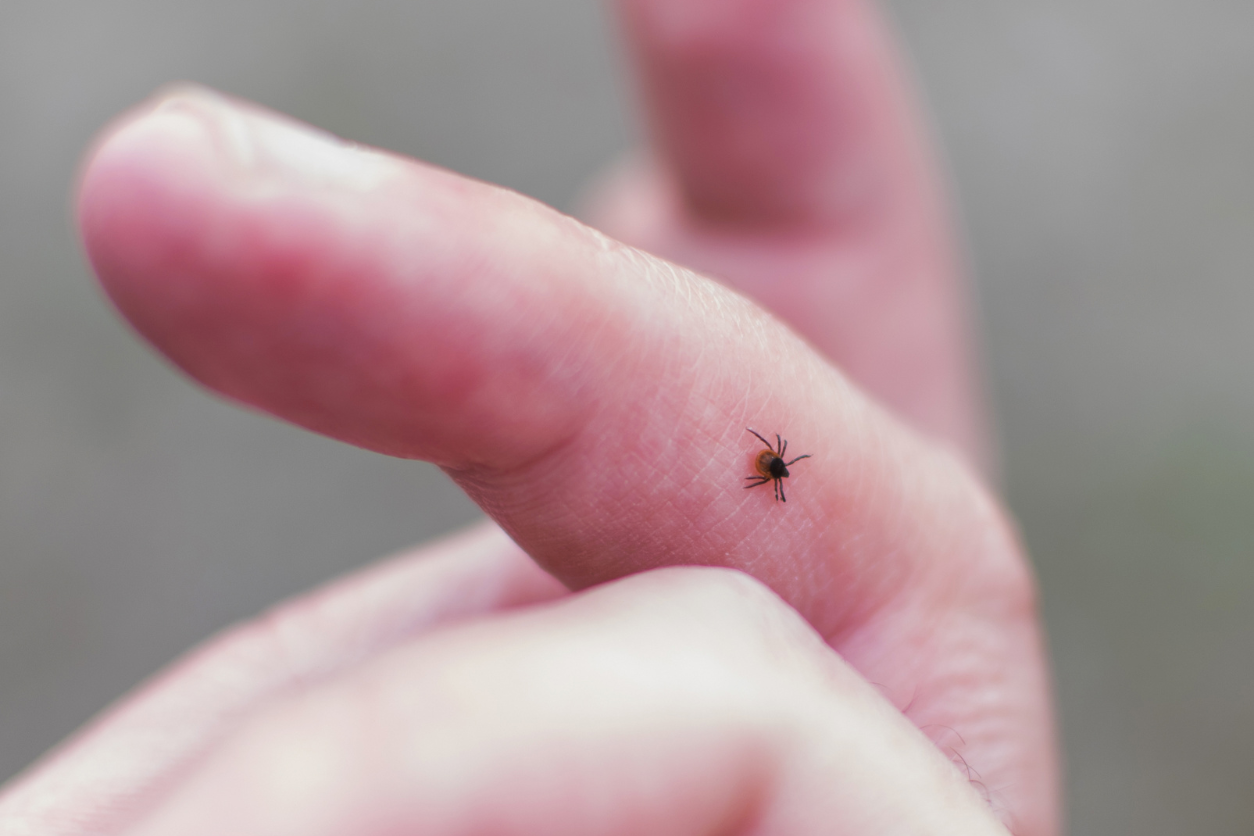
Tick bites are common in the UK, especially if you enjoy the outdoors. So, what should you do if one of these tiny critters latches onto you or a family member? This guide provides clear practical guidance on dealing with tick bites – including what to do immediately, when to seek medical help, and what signs to look out for. The goal is to help you stay safe and informed.
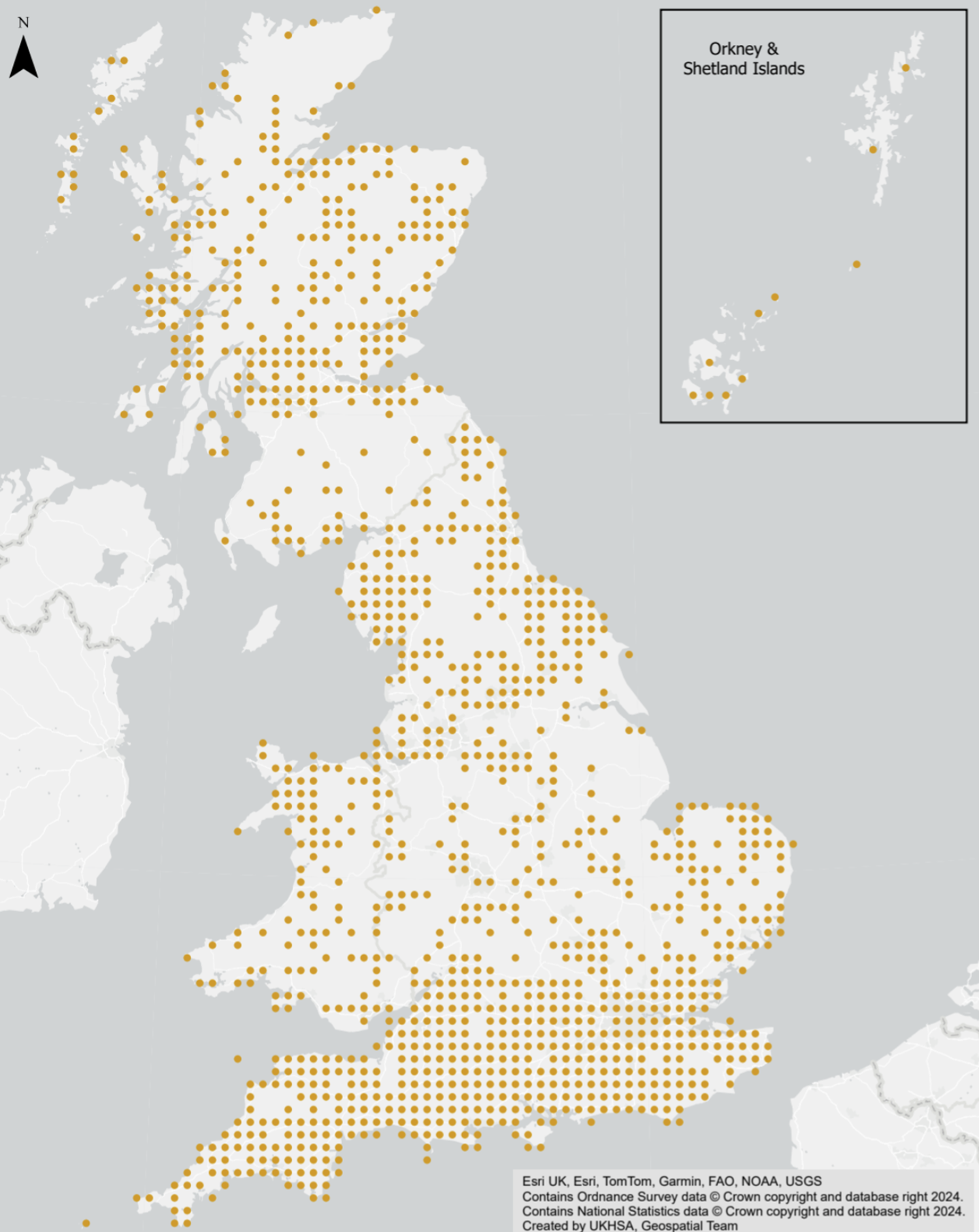
Many people don’t realise that ticks aren’t just a countryside problem - they’re found across the UK. This map shows where tick sightings have been recorded through the UKHSA’s tick surveillance scheme. If you live in or visit any of these areas, especially during spring and summer, it’s important to be tick-aware and take simple precautions.
For those unfamiliar with ticks, you may wonder what a tick looks like. Ticks are very small, spider-like parasites (often only a few millimetres in size). They’re usually brown or black and can be hard to spot on your skin – about the size of a sesame seed when unfed. They live in grassy, wooded, or heathland areas across the UK and latch onto passing animals or people. A tick will attach to your skin and bite painlessly, then remain anchored as it feeds on your blood.
What does a tick bite look like? In many cases, tick bites are mild and go unnoticed at first. You might not feel anything when a tick bites you – the bite itself typically doesn’t hurt or itch immediately. Often, the first sign is seeing the tick still attached to your skin, appearing like a small dark bump or scab. If the tick has dropped off, you may be left with a tiny red bump or slight local irritation at the bite site. This is normal and usually clears up in a day or two. Some people experience minor symptoms around the bite area such as redness, swelling, or itchiness (similar to a mild insect bite). These local reactions are not serious – they’re just your skin’s response to the bite.
Most of the time, tick bites do not cause any major symptoms. However, it’s important to know what to watch for in the days and weeks after the bite, because ticks can sometimes carry infections. The main concern in the UK is Lyme disease, a bacterial infection some ticks spread. We’ll cover the warning signs of that infection below, so you know when a tick bite might be more than just a minor nuisance.
If you discover a tick on your body, removing the tick promptly and properly is the top priority. Quick removal can help prevent any bacteria or viruses the tick carries from being transmitted. Follow these steps to remove a tick safely:
It’s important not to use folk methods like burning the tick off with a match or smothering it with petroleum jelly, nail polish, alcohol, etc. Those techniques do not work and can even cause the tick to regurgitate, increasing the risk of infection. The key is gentle, prompt removal with a proper tool.
After removing the tick, wash your hands and the bite site with soap and water. You can apply an antiseptic cream to the skin around the bite as well. Dispose of the tick by flushing it, or seal it in tape/bag before binning – you don’t want it crawling back. If part of the tick (like the head/mouth) is stuck in your skin and you can’t easily get it out, don’t dig around. Don’t worry – any small remnants often come out on their own and usually cause only minor irritation. Just keep the area clean and let your skin heal.
Once the tick is off, most people will not experience any illness. The area may be a bit red or itchy for a short time, then return to normal. You do not need antibiotics or tests right away simply from being bitten. Instead, the recommended approach is to monitor your health over the next few weeks.
Keep an eye on the bite site and how you’re feeling. The big thing to watch for is signs of Lyme disease in the days or weeks following the bite. Lyme disease is an infection that can occur if the tick was carrying certain bacteria. Key symptoms to look out for include:
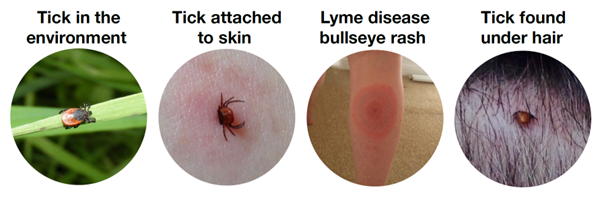
Not everyone with Lyme disease gets the classic rash – some may only have the flu-like illness. Conversely, many people bitten by ticks never develop any symptoms at all because not all ticks carry disease. In fact, studies estimate that only a small percentage of tick bites (perhaps around 1–5%) lead to Lyme infection. So, the odds are in your favor that you’ll be absolutely fine. Still, it’s important to be vigilant: if a rash or sickness is going to develop, it usually does so within a month or so of the bite. Catching it early ensures you can get treatment promptly.
Aside from Lyme disease, ticks in the UK rarely transmit other illnesses. A very small number of ticks carry tick-borne encephalitis virus (TBE) in parts of England, but cases are extremely rare. The main signs of TBE would be severe headache, high fever, and neurological symptoms – which are medical emergencies. Again, this is highly unlikely from any given tick bite in the UK. The primary thing to focus on is watching for the Lyme disease symptoms described above.
Lastly, pay attention to the bite site itself in the days after removal. A little redness or a scab is normal. But if the area becomes increasingly red, warm, tender, or develops pus, that could indicate a local skin infection (unrelated to Lyme). If that happens, you may need to see a doctor for evaluation and treatment.
You do not need to run to the doctor for every tick bite – in most cases you can manage it at home. However, do seek medical advice without delay if you develop any troubling signs after a tick bite. In particular, contact your GP if you notice an expanding red rash or experience flu-like symptoms in the weeks following the bite. These symptoms could indicate Lyme disease, and early treatment is important. The NHS, for example, recommends getting an urgent GP appointment (or calling NHS 111) if you feel unwell with fever/chills or get a circular rash after a recent tick bite.
Here are some situations when you should see a doctor about a tick bite:
If you’re unsure, it’s better to err on the side of caution and get medical advice. You can call your GP or ring NHS 111 for guidance. Treatment for Lyme disease is most effective when started early, typically with a course of antibiotics. Most people make a full recovery, especially when treated promptly.
Remember, the majority of tick bites won’t cause Lyme disease or any illness. But staying alert to the warning signs ensures that if something does develop, you can address it right away. If you’re worried or experiencing symptoms, you can always book a same-day GP appointment for peace of mind and prompt care.
Q: What are ‘bad’ signs after a tick bite?
A: This is a question frequently asked on Google - “Bad” signs to watch for include any symptoms suggesting infection. The main red flag is a red, circular rash (especially one that expands and looks like a bull’s-eye target) around the bite area or elsewhere on your body. Also, flu-like symptoms such as fever (above 38°C), chills, headaches, fatigue, achy muscles or joints, and swollen lymph nodes in the days or weeks after the bite are warning signs. Any of these could indicate that the tick transmitted Lyme disease. Additionally, if the bite site becomes very swollen, painful, or filled with pus, that’s a sign of local infection. If you notice any of these bad signs, see a doctor. Early treatment can resolve infections like Lyme disease before they cause serious problems.
Q: What is the protocol for a tick bite?
A: The protocol for handling a tick bite is: remove the tick promptly and safely, then monitor your health. As soon as you spot a tick on your skin, use fine-tipped tweezers to grasp it close to the skin and pull it out steadily (don’t twist or squash it). Clean the bite area with soap and water. After that, you generally don’t need any medication or tests right away – just keep an eye on the area and on how you feel for the next few weeks. If you develop a rash, flu-like symptoms, or anything unusual, see a doctor. If no symptoms occur, you likely don’t need further action. It’s also wise to note the date and location of the tick bite in case you need to remember it later. Overall, prompt removal, basic first aid, and watching for symptoms is the standard tick bite protocol.
Q: How soon after being bitten by a tick do symptoms appear?
A: It varies. If a tick transmits Lyme disease to you, early symptoms typically appear within about 1 to 4 weeks after the bite. The characteristic bull’s-eye rash might show up in as little as 3 days, but often it’s around the 1-2 week mark when people notice it. (In some cases, the rash can take as long as 8-12 weeks to appear, which is why you should remain vigilant for a few months.) Flu-like symptoms from Lyme disease can emerge just a few days after the bite or within a couple of weeks. On the other hand, many people never develop any symptoms at all from a tick bite – if the tick wasn’t carrying an infection, you won’t get sick. So, to summarise: check yourself for symptoms for about 4 weeks (up to 3 months) after a tick bite, with most issues showing up in the first few weeks if they’re going to appear.
Q: What are the chances of getting sick from a tick bite?
A: The chances are reassuringly low. Most tick bites do not result in any illness. Only a small proportion of ticks carry diseases like Lyme. Estimates in the UK suggest that on average only a few percent of ticks (roughly 2–5%) might be infected with the Lyme bacteria. Even in higher-risk areas, the majority of ticks are not carriers. This means the odds that any single tick bite will make you sick are quite low. Of course, “low risk” doesn’t mean “no risk” – Lyme disease does happen, and there are a few thousand cases in the UK each year. The safest approach after a tick bite is to assume it’s possible (though unlikely) you could get ill, and therefore watch for any symptoms just in case. But if you remove the tick promptly and stay alert to the warning signs, you can rest a bit easier knowing you’ve greatly reduced the chances of any serious outcome from that tick bite.
