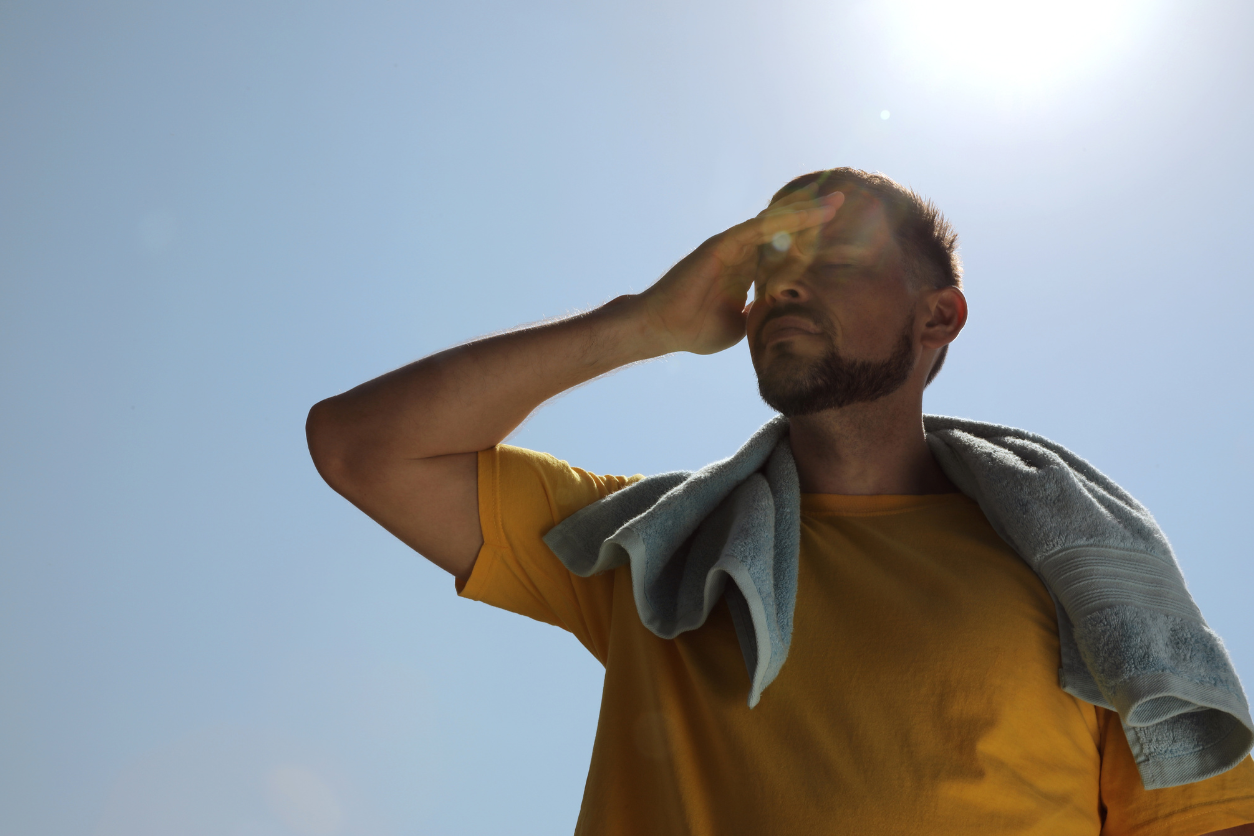
Hot weather can be enjoyable, but prolonged periods of high temperatures can place serious strain on the body.
The UK Health Security Agency has estimated that 2,877 heat-associated deaths occurred during two periods of hot weather in May and June 2026. Although this is an interim estimate, it is significantly higher than the 1,504 heat-associated deaths recorded across the whole of summer 2025.
Understanding the difference between dehydration, heat exhaustion and heatstroke can help you recognise when simple steps may be enough and when urgent medical attention is required.
Dehydration happens when your body loses more fluid than it takes in. Signs can include thirst, a dry mouth, darker urine, urinating less frequently, tiredness, dizziness and headaches.
Heat exhaustion develops when the body becomes too hot and loses too much water and salt. Symptoms can include:
Someone experiencing heat exhaustion should be moved to a cool place. Remove unnecessary clothing, give them water or an oral rehydration drink and cool their skin using water, a fan or cold packs wrapped in a cloth.
They should begin to feel better within around 30 minutes.
Heatstroke is more serious and requires immediate medical treatment. Warning signs can include:
Call 999 if someone shows signs of heatstroke or remains unwell after 30 minutes of cooling down and drinking fluids. Do not leave them alone while waiting for help.
Anyone can become unwell during hot weather, particularly after exercising or spending long periods outside. However, the risk is higher for:
Hot weather can also make existing heart or breathing problems worse.
Some medicines can affect hydration, sweating or the body’s ability to regulate temperature. These can include diuretics, some blood pressure medicines, diabetes medicines, antipsychotics and certain antidepressants.
Diuretics can increase fluid loss, while some blood pressure medicines can make it more difficult for the body to respond to sudden changes in temperature. Certain medicines can also make the early signs of dehydration harder to recognise.
Never stop taking prescribed medication without medical advice. Speak to a GP or pharmacist if you are concerned about how hot weather could affect your condition or treatment.
Ongoing dizziness, weakness, headaches, nausea or unusual tiredness should not automatically be dismissed as the weather, particularly if symptoms continue after resting, cooling down and drinking fluids.
These symptoms could be connected to dehydration, medication, low blood pressure, an infection or another underlying health concern.
If your symptoms persist or you are concerned about an existing condition, book a private GP consultation with Private GP Services. Face-to-face and video consultations are available, with same-day and same-week appointments offered at selected locations.
