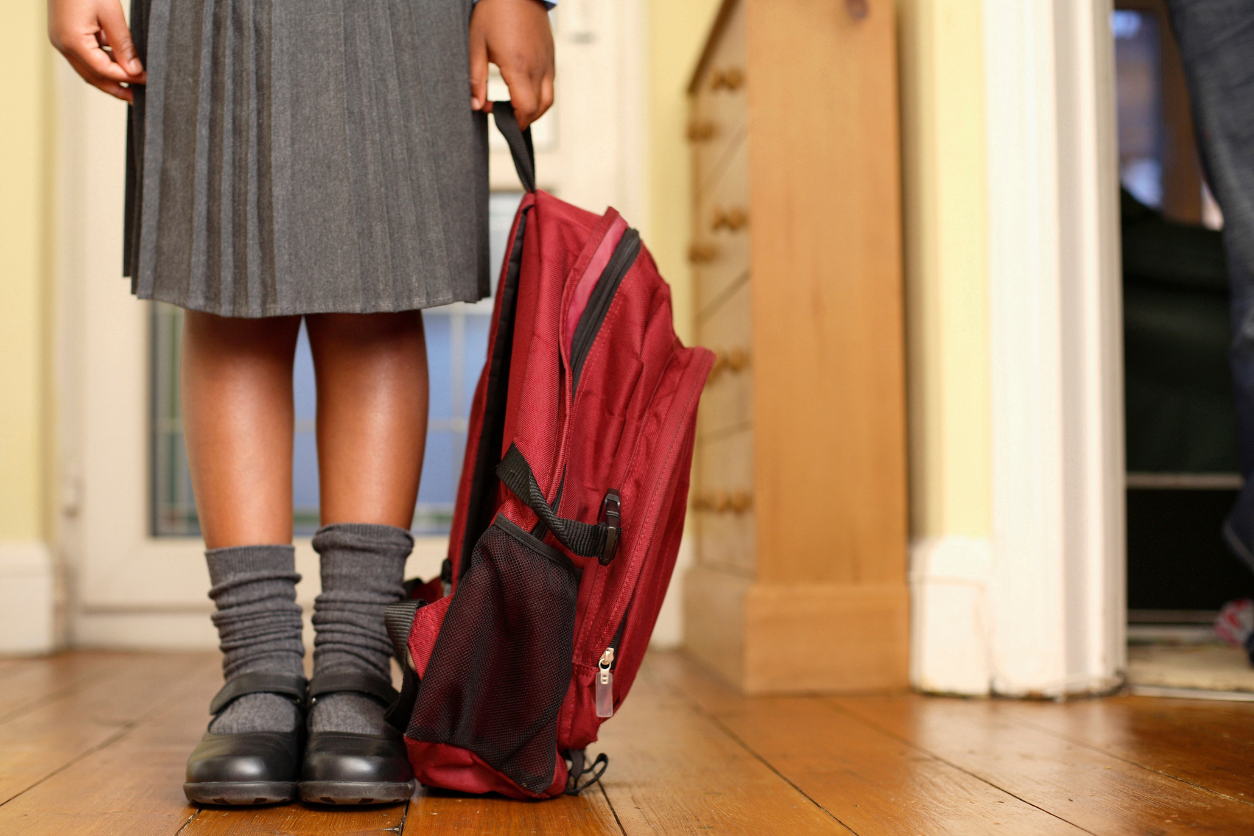
Getting children ready for a new school year is about more than uniforms, shoes, and stationery. September often brings a mix of excitement, new routines, and a few health challenges. Taking simple steps now can help keep your child healthy, confident, and ready to learn.
This guide covers practical back to school health tips for families and grandparents, from everyday checks to important vaccinations.
A few quick checks at home can prevent problems later:
Vaccinations are one of the most effective ways to protect children against serious illness. Before term starts, check whether your child’s vaccines are up to date.
You can book online for vaccinations and health checks at Private GP Services or by calling us – 03300533745.
Beyond vaccinations, these back-to-school health tips can help children thrive:
For tailored support, our children’s health services cover everything from minor illnesses to long-term wellbeing.
Is it Normal for Children to Get Sick After Going Back to School? Yes. New environments, close contact, and different routines mean children often catch colds or minor viruses when term begins. Most are mild and short-lived.
Can My Child Go to School with a Runny Nose? If your child is otherwise well, eating, drinking, and playing, a runny nose alone is not usually a reason to keep them home. Check NHS advice on when to keep children off school.
Can Kids Go to School with a Viral Infection? It depends on the infection. For example, children should stay home with a high fever, vomiting, diarrhoea, or chickenpox until symptoms settle.
Preparing for school is about more than ticking off the uniform list. By focusing on back to school health, families and grandparents can give children the best start to the year, healthy, confident, and protected.
For further support, book an appointment with Private GP Services for vaccinations, check-ups, or tailored health advice.
